
Understanding the Costs of Accounting Services with Financial Management Tools

Managing the financial aspects of a small business can be challenging. One of the key components to maintaining a healthy business is understanding the costs associated with accounting services. These services provide essential support in managing taxes, bookkeeping, payroll, and financial reporting. In this article, I will guide you through the various factors that influence accounting service costs and how financial management tools can help you make informed decisions.
The Role of Financial Management Tools in Accounting Services
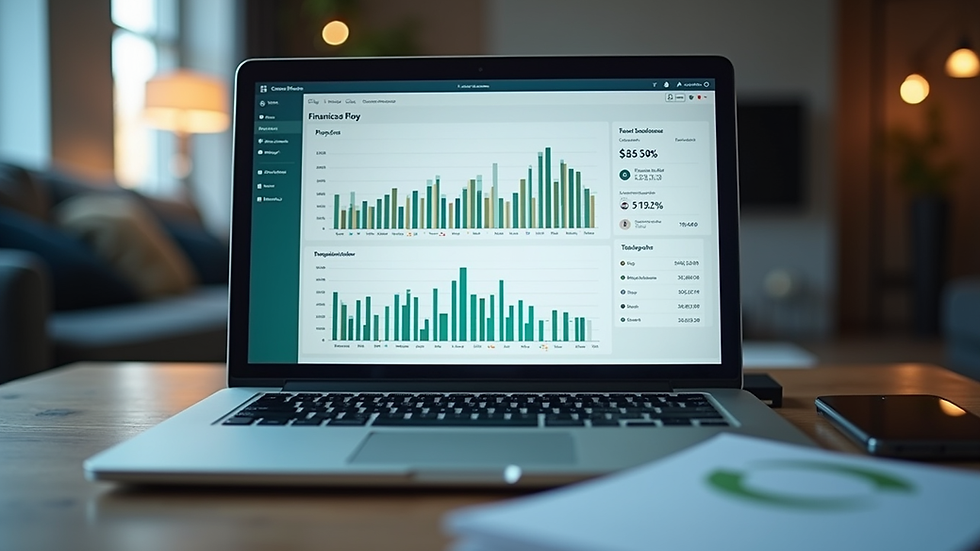
Financial management tools are software and systems designed to help businesses track, analyze, and optimize their financial activities. These tools can range from simple spreadsheets to advanced accounting software. They play a crucial role in reducing the time and effort required for bookkeeping and financial reporting.
Using financial management tools can also impact the overall cost of accounting services. For example, if you use reliable software to organize your financial data, your accountant will spend less time sorting through disorganized records. This efficiency can translate into lower fees.
Some popular financial management tools include:
Cloud-based accounting software
Expense tracking applications
Payroll management systems
Tax preparation software
By integrating these tools into your business operations, you can streamline your accounting processes and potentially reduce costs.
Factors That Influence the Cost of Accounting Services
Several factors determine how much you will pay for accounting services. Understanding these can help you budget effectively and choose the right service provider.
1. Scope of Services
Accounting services cover a wide range of tasks. Some businesses require only basic bookkeeping, while others need comprehensive financial planning and tax advice. The broader the scope, the higher the cost.
Typical services include:
Bookkeeping and record keeping
Payroll processing
Tax preparation and filing
Financial statement preparation
Business consulting and advisory
2. Business Size and Complexity
The size of your business and the complexity of your financial transactions affect pricing. A small sole proprietorship with simple transactions will generally pay less than a corporation with multiple revenue streams and employees.
3. Frequency of Service
How often you require accounting services also impacts cost. Monthly bookkeeping will cost more than quarterly or annual services. Some businesses may need ongoing support, while others only require help during tax season.
4. Location and Market Rates
Accounting fees vary by region due to differences in living costs and market demand. Urban areas with a higher cost of living typically have higher fees than rural locations.
5. Experience and Expertise of the Accountant
Highly experienced accountants or those with specialized expertise may charge premium rates. However, their knowledge can save you money in the long run by optimizing your tax strategy and avoiding costly mistakes.
Understanding these factors will help you evaluate quotes and select the best accounting service for your needs.
What are the 4 types of bookkeeping?
Bookkeeping is a fundamental part of accounting, and it comes in different forms depending on the business needs. Here are the four main types of bookkeeping:
1. Single-Entry Bookkeeping
This is the simplest form, where each transaction is recorded once. It is suitable for very small businesses with straightforward finances. However, it lacks the ability to track assets and liabilities comprehensively.
2. Double-Entry Bookkeeping
This method records each transaction twice - once as a debit and once as a credit. It provides a complete picture of financial health and helps detect errors. Most businesses use this system because it supports accurate financial statements.
3. Manual Bookkeeping
In this traditional approach, records are kept by hand in physical ledgers. While it can be cost-effective, it is time-consuming and prone to errors.
4. Computerized Bookkeeping
This modern method uses accounting software to record and manage transactions. It increases accuracy, saves time, and integrates with other financial management tools.
Choosing the right type of bookkeeping depends on your business size, complexity, and budget.

How to Evaluate Accounting Service Costs for Your Business
When considering accounting services, it is important to evaluate costs carefully. Here are some practical steps to help you make an informed decision:
1. Request Detailed Quotes
Ask potential accountants for detailed quotes that break down their fees by service type. This transparency helps you understand what you are paying for.
2. Compare Hourly Rates and Fixed Fees
Some accountants charge by the hour, while others offer fixed fees for specific services. Consider which pricing model suits your business needs and budget.
3. Assess the Value Offered
Cost should not be the only factor. Evaluate the value the accountant brings, such as expertise, responsiveness, and the ability to provide strategic advice.
4. Consider Using Financial Management Tools
If you use financial management tools effectively, you may reduce the time your accountant needs to spend on your records. This can lower your overall costs.
5. Review Contract Terms
Check for any hidden fees or long-term commitments. Ensure the contract terms are clear and flexible enough to accommodate your business growth.
By following these steps, you can find accounting services that fit your budget and support your business goals.
Practical Tips to Manage Accounting Costs
Managing accounting costs does not mean compromising on quality. Here are some actionable recommendations to keep expenses under control:
Organize Your Financial Records: Keep receipts, invoices, and bank statements well-organized. This reduces the time your accountant spends on data entry.
Use Cloud-Based Accounting Software: Tools like QuickBooks or Xero can automate many bookkeeping tasks.
Schedule Regular Reviews: Meet with your accountant periodically to review your financial status and plan ahead.
Train Your Staff: If you have employees handling financial tasks, provide them with basic accounting training.
Plan for Tax Season: Prepare documents early to avoid last-minute rush fees.
Implementing these tips can help you optimize your accounting expenses while maintaining accurate financial management.
Final Thoughts on Accounting Service Costs and Financial Management
Understanding the costs of accounting services is essential for effective financial management. By considering the scope of services, business complexity, and the use of financial management tools, you can make informed decisions that benefit your business.
Investing in the right accounting services and tools will allow you to focus on growing your business with confidence, knowing your financial matters are in capable hands.
Comments